Snow Removal Scarborough: Seasonal Contracts vs On-Call
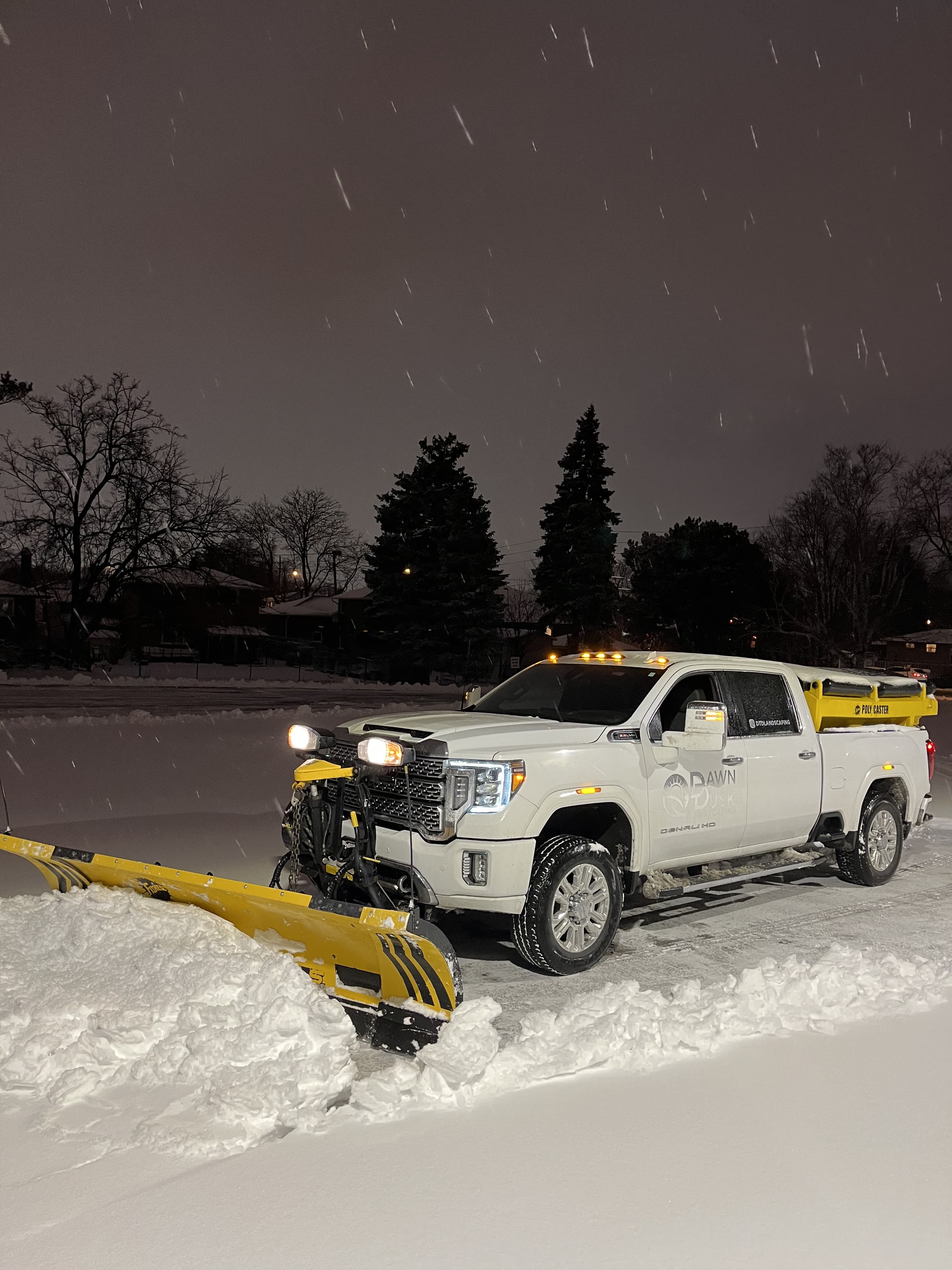
Snow Removal in Scarborough: Seasonal Contracts vs On-Call, and When to Book
Every fall, Scarborough homeowners face the same decision: lock in a seasonal snow removal contract before the first snowfall, or wait and call someone after each storm. Both are legitimate options, but they solve different problems, and the choice you make in October affects how your whole winter goes. This guide walks through how each option actually works, what drives the price up or down, and why the homeowners who book early tend to have an easier winter than the ones who wait.
Seasonal contracts: how they actually work
A seasonal snow removal contract covers the full winter -- typically November through April -- for one flat rate. You're not paying per storm. You're paying for a reserved spot on a route, with a crew that clears your driveway and walkways every time accumulation hits a set trigger depth.
The trigger depth is the key mechanic. Most residential contracts in Scarborough use a standard trigger of around 5 cm (roughly 2 inches) of accumulation -- once snowfall crosses that line, your property gets cleared automatically, without you calling anyone. You can set the trigger lower if you want service after every light dusting, or higher if you only want clearing after the bigger events. That number gets fixed when you sign up, and most companies will let you adjust it during the season if it's not working for you.
What's included. A properly built seasonal contract covers the driveway, front walkway, steps, and porch. Salting is usually priced separately -- ours is an unlimited salting package from $60/month, applied after every snowfall -- so check how each quote handles it, because ice on an unsalted walkway is where most winter slip-and-fall injuries actually happen.
Why homeowners choose it. The appeal is predictability. You pay once, you know the number going in, and you never have to decide in the moment whether a given snowfall is "worth calling someone about." For anyone who leaves for work early, has mobility concerns in the household, or just doesn't want to think about winter weather, a seasonal contract removes the decision entirely.
Per-visit and on-call service: how it works
Per-visit service means you pay for each individual clearing, either by calling after a storm or by being added to an on-call list that gets contacted before major snowfalls. There's no seasonal commitment.
Where this makes sense. Properties that are used seasonally, homeowners with a smaller driveway who don't get much accumulation most winters, or anyone who genuinely isn't sure yet whether they'll need service more than a handful of times. It's also common for walkway-only service, where someone handles their own driveway but wants the walkway and steps professionally cleared and salted for safety.
The trade-off. On-call response isn't instant. Companies running seasonal routes prioritize their contracted clients first during a storm, because those routes are planned in advance. On-call requests get worked in after the committed routes are done, which during a heavy multi-day system can mean a longer wait than a seasonal client sees. If you need guaranteed early-morning clearing before a commute, on-call is the wrong fit.
What actually drives snow removal pricing
Whether you go seasonal or per-visit, the same handful of factors set the price. Understanding them makes it easier to compare quotes and know whether a number is reasonable for your property.
Driveway size and width. A single driveway and a double-wide driveway aren't the same job -- a double takes roughly twice the plow passes and proportionally more time. On our published rates, a standard single driveway seasonal contract runs $800-$1,000, while a double driveway runs $1,000-$1,200 for the season. Around the GTA, per-visit clearing typically runs $80-$120 depending on size, and walkway-only clearing $25-$40 per visit.
Walkway and step length. Longer front walks, wraparound paths, and multiple entry points all add manual shovelling time on top of the plow work. This is usually built into the driveway price rather than itemized separately, but it's part of why two similarly sized driveways can quote differently.
Trigger depth. A lower trigger depth means more visits over the season, since the crew is out clearing after smaller accumulations instead of waiting for bigger ones. This is one of the few variables you control directly -- setting it higher (only clearing after heavier snowfalls) generally keeps the seasonal price on the lower end of the range.
Property access and layout. Steep driveways, tight turning space, obstacles close to the pavement edge, and anything that slows a plow down or requires more manual shovelling adds time, which shows up in the price.
Residential vs. commercial. Commercial lots -- parking lots, retail frontages, multi-unit visitor parking -- are priced separately from residential driveways because the scale, equipment, and liability documentation are different. Property managers typically need a Certificate of Insurance and a logged service record for each visit, which is standard for commercial accounts but not something a residential quote includes. Our commercial snow and ice management page covers how those accounts work.
Why October booking beats waiting until December
The single biggest factor in how well your winter goes isn't which option you pick -- it's when you book. Every year, the same pattern plays out: companies build their seasonal routes in October, based on who's signed up by then. Anyone who calls after the first real snowfall in late November or December is trying to get added to routes that are already planned and often already at capacity.
Route planning happens before the snow. Seasonal crews are assigned to specific streets and neighbourhoods based on the addresses on the route. A late sign-up doesn't just mean paperwork -- it can mean waiting for the next planning cycle, or being placed on a less efficient route that gets to your property later in a storm.
Trigger depth and pricing lock in early. Booking in October means you get first pick of trigger depth, route timing (early-morning routes fill up first, since commuters want to be cleared before they leave), and season-long pricing rather than scrambling to find anyone with capacity mid-storm.
The first storm is the worst time to be searching. Every company's phone rings hardest in the hours during and right after the first significant snowfall of the season. That's exactly when on-call capacity is tightest and response times are longest -- the opposite of when you want to be starting your search.
If there's one takeaway from this guide, it's this: decide which option fits your household before the leaves are off the trees, not after the first driveway you can't get out of.
What happens during a snow event
For seasonal clients, the process is largely invisible. Crews monitor weather forecasts continuously through the winter and dispatch proactively based on predicted accumulation and timing, and routes run in order. The crew clears the driveway edge to edge, shovels the walkway, steps, and porch by hand, and applies salt or ice melt where the salting add-on is part of the contract, before moving to the next property on the route.
For ice storms specifically, that's treated as a priority event rather than a standard snowfall -- surfaces get pre-treated ahead of forecasted freezing rain where possible, and heavier or repeat salt applications go down during extended events to keep the property safe until conditions clear.
Driveway, walkway, and full-property scope
Whichever option you choose, the scope should be the same: full clearing, not just the driveway. A driveway cleared down to bare pavement while the front walk stays under 5 cm of packed snow doesn't actually solve the safety problem -- most winter falls happen on foot, not in a vehicle. A proper snow removal visit, seasonal or per-visit, covers:
The driveway, cleared edge to edge
The front walkway and any side paths
Steps and porch area
Salt or ice melt on every cleared surface, if you add the salting package (from $60/month)
If a quote only covers the driveway and treats the walkway as an upsell, ask what that leaves uncovered -- it's usually the part of the property where people are actually walking. For which parts the City clears and which are legally yours, see who has to clear the sidewalk in Scarborough, North York and Pickering.
Get your winter locked in
Dawn Till Dusk Landscaping has cleared driveways and walkways across Scarborough for years, with both seasonal contracts and on-call service depending on what fits your property. Full details on trigger depth, pricing, and what's included are on our snow removal Scarborough service page.
Call (647) 893-3876 or request a free quote to get your address on a route before the first snowfall. We serve driveways and walkways throughout landscaping Scarborough, including West Hill and Guildwood along the lakeshore where the heavier early-season snow tends to land first.
Frequently asked questions
Is a seasonal contract or per-visit cheaper for a typical Scarborough driveway?
It depends on how many plowable events the winter actually brings. Scarborough averages 15-20 significant snowfall events per season. At $80-$120 per visit, a season with 9 or more events usually costs more paid per-visit than an $800-$1,000 seasonal contract for a standard single driveway -- and a seasonal contract also protects you from a heavier-than-average winter, since the price doesn't change no matter how many storms hit.
Can I switch from on-call to a seasonal contract partway through winter?
Yes, but availability depends on route capacity at that point in the season. It's easier to add someone to a route in November than in January, once routes are locked in and running at full capacity.
Do I need to be home when the crew clears my driveway?
No. You don't need to be present. Crews clear on their scheduled route timing regardless of whether anyone is home.
What if I only want the walkway cleared, not the driveway?
Some companies offer walkway-only service separately from full driveway clearing, priced per visit, for homeowners who handle their own driveway but want a professional, insured service handling the ice-prone walkway and steps. We don't offer it as a standalone -- walkways and steps are included in every seasonal contract.
How early should I book for the 2026/2027 winter season?
October is the target. Booking any time from late summer through October gets you on the route-planning cycle before it locks in. Waiting until after the first snowfall means competing for whatever on-call capacity is left.
---
Related:
More From the Blog
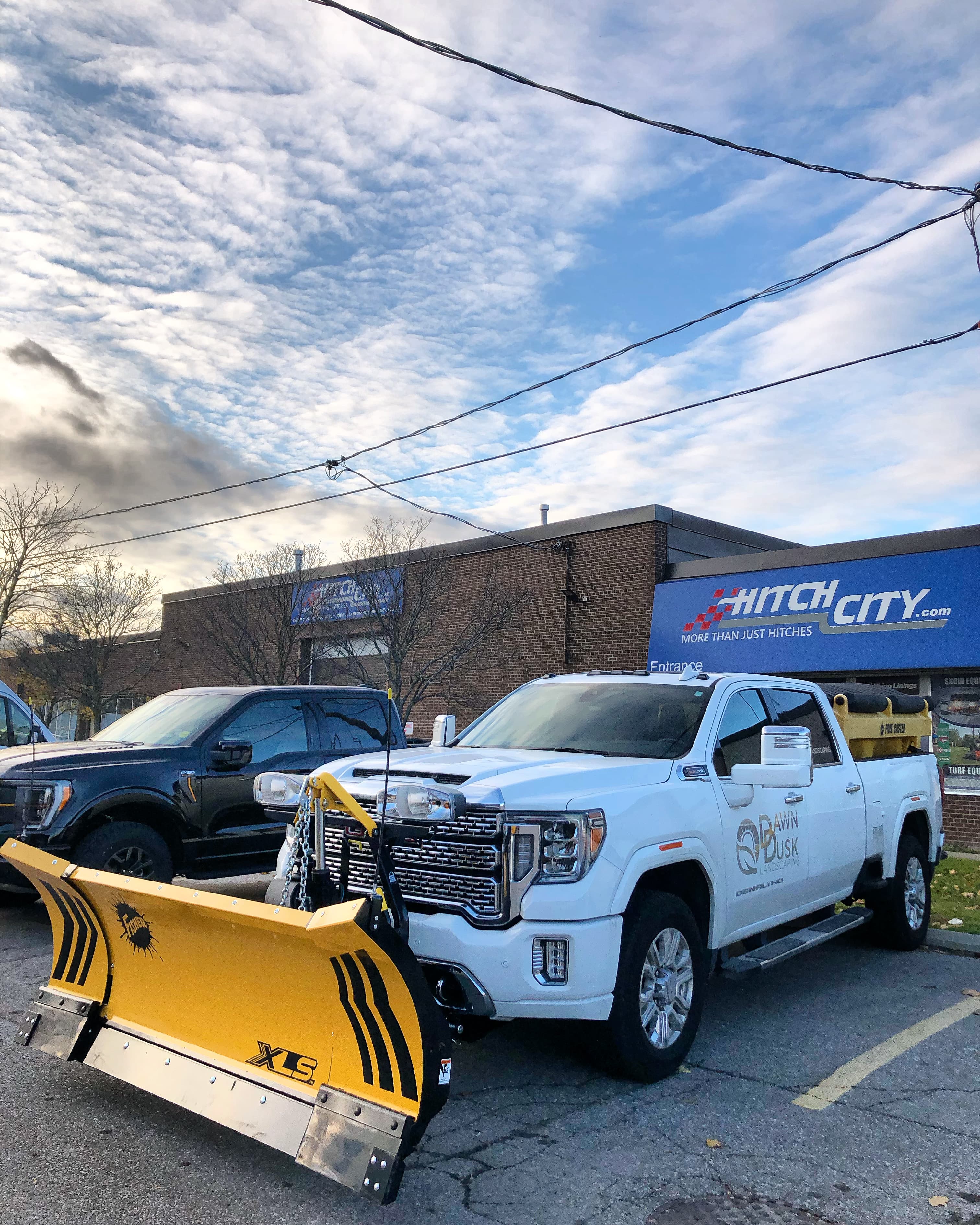
Who Has to Clear the Sidewalk? Snow By-laws in Scarborough, North York and Pickering
Toronto's 2 cm / 12-hour rule, Pickering's 24-hour by-law and 25% admin fee, who clears the windrow, and where the slip-and-fall liability actually sits -- explained for homeowners on both sides of the Rouge.
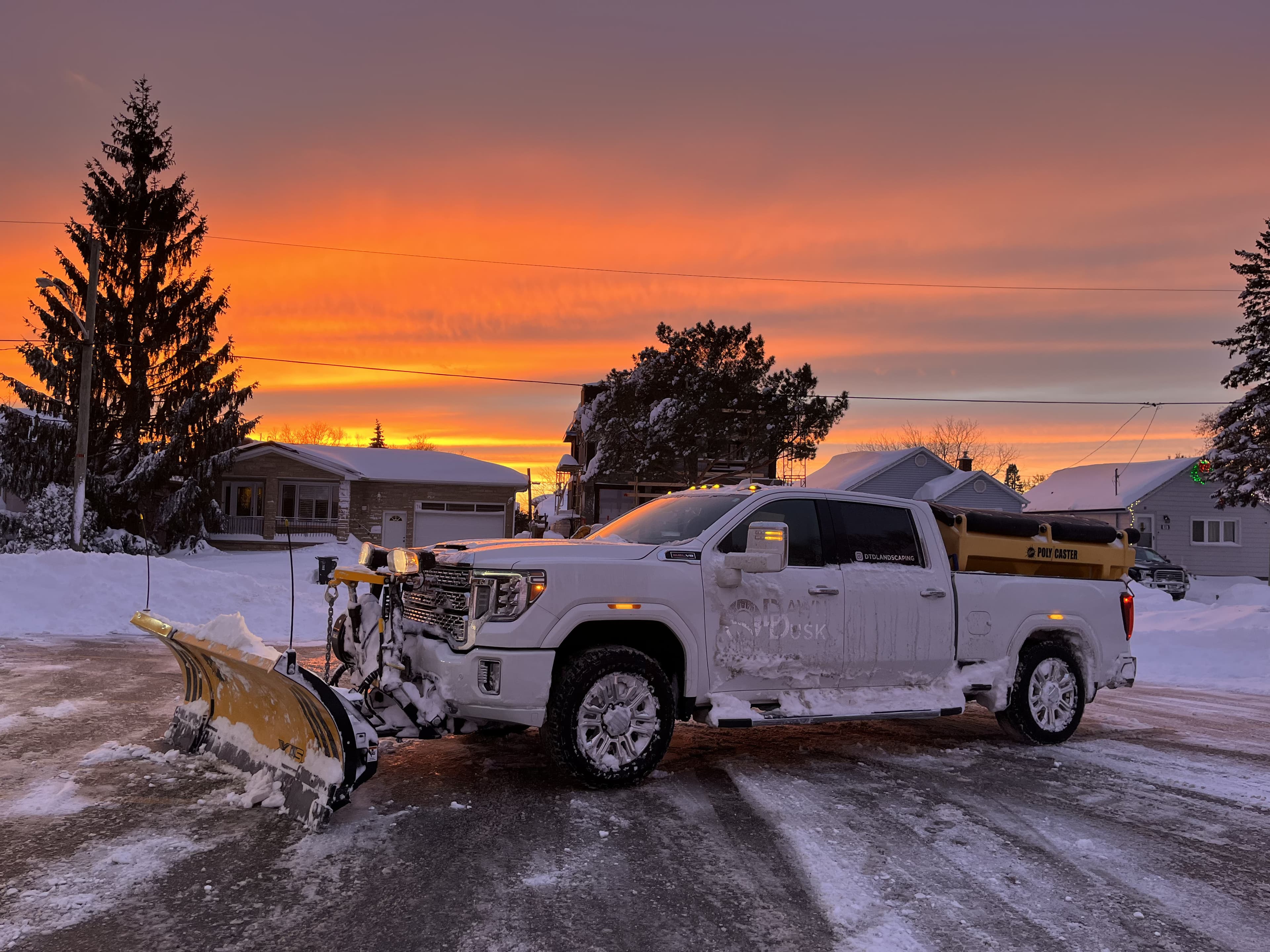
Snow Removal Help for Seniors in Scarborough, North York & Pickering: City Programs and Private Options
What the City actually clears for seniors in Toronto and Pickering, what it doesn't (your driveway, your walkway, and often the windrow), and how families set up a seasonal contract for a parent's home before the first storm.
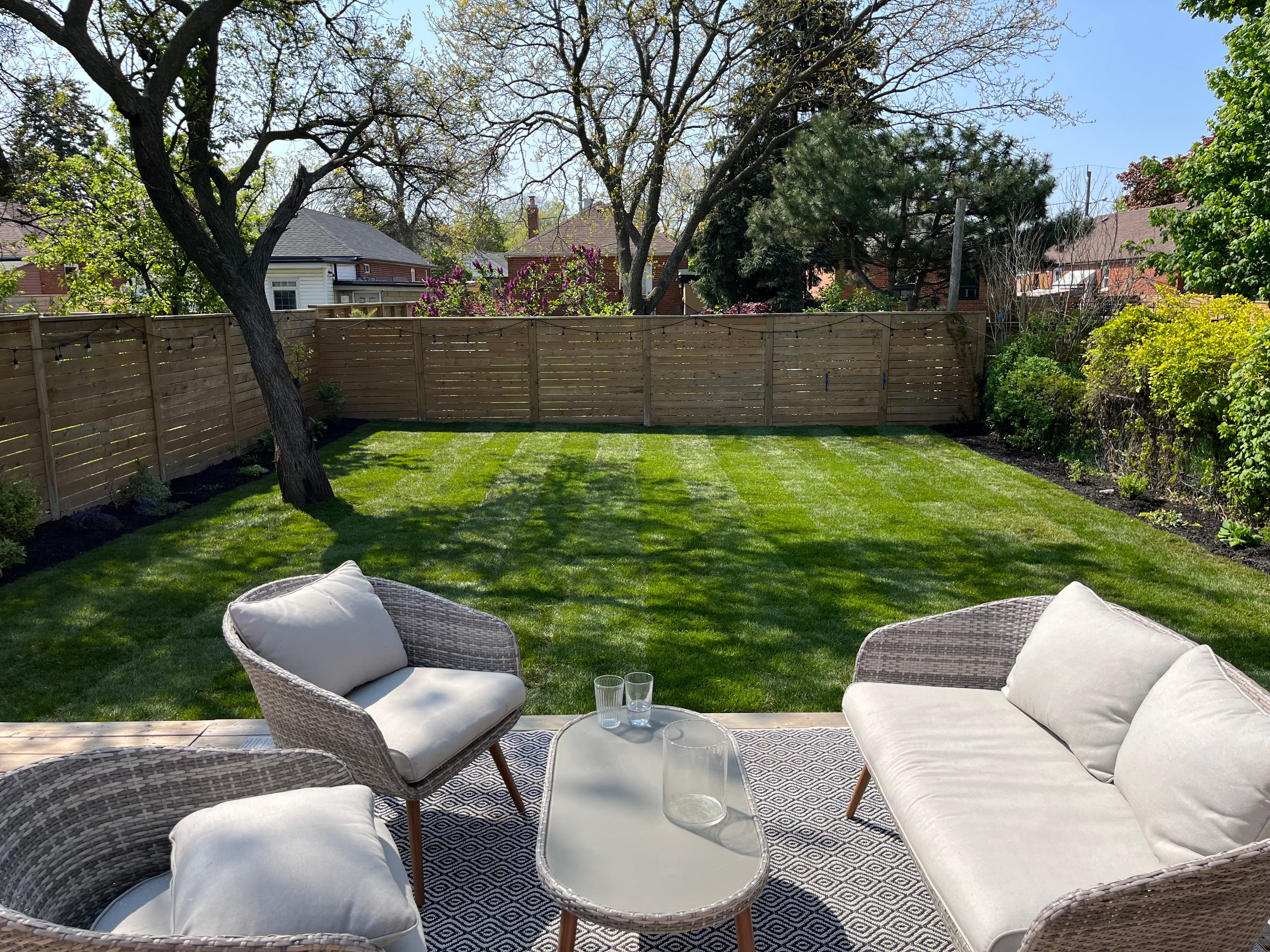
How Much Does Landscaping Cost in Scarborough? (2026 Pricing Guide)
Landscaping costs in Scarborough range from $5-$50+/sq ft depending on the project. Get real pricing for lawn care, interlocking, sod, and garden design in the GTA.
Landscaping Cost Scarborough 2026: Real Prices ($45-$25k+ Examples)
Real Scarborough landscaping costs in 2026 — lawn cuts from $49.99/visit, interlocking driveways $4,500-$18,000, full backyard renos $5k-$25k+. Transparent pricing with example projects.
Free Quote
Get a Free Quote
Free quote, no obligation.