Lawn Care in Scarborough: The Complete Guide for Homeowners (2026)
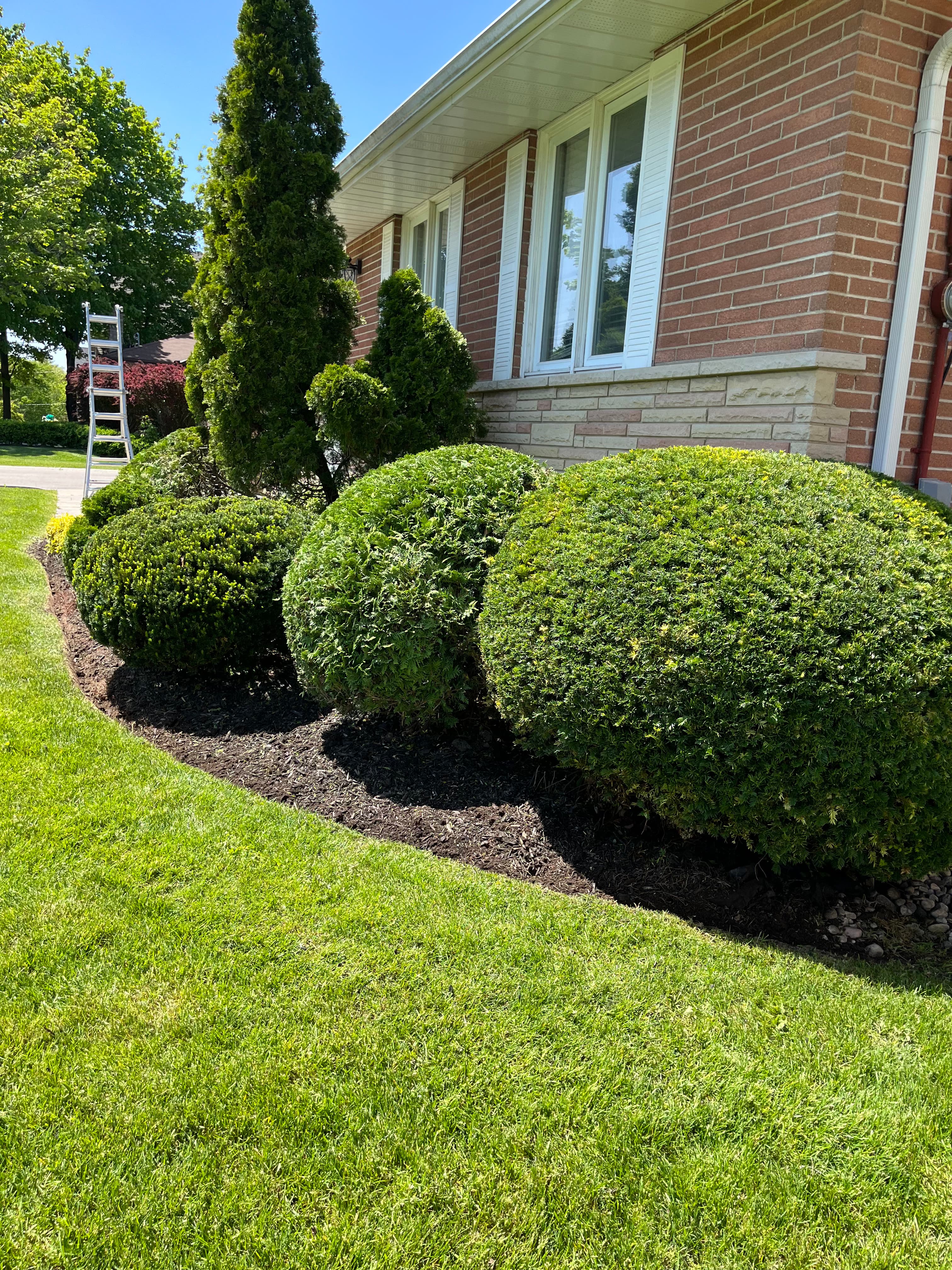
Lawn Care in Scarborough: What Actually Works on Our Soil
Scarborough lawns are different from lawns in Oakville or Barrie. The soil is different. The drainage is different. The microclimate along Lake Ontario changes how grass grows, when it goes dormant, and what kills it.
This is a straight guide to lawn care in Scarborough based on working on properties from Agincourt to Highland Creek. No filler. Just what works and what doesn't on the clay-heavy soil most of us are dealing with.
Why Scarborough Lawns Need a Different Approach
Most lawn care advice online is written for sandy loam soil in moderate climates. Scarborough doesn't have sandy loam. Most residential properties here sit on dense clay that holds water, compacts easily, and takes longer to warm up in spring.
That clay creates three problems that drive most lawn issues in the area:
Compaction. Foot traffic, mower wheels, and freeze-thaw cycles pack clay tight. Compacted soil suffocates roots and forces grass to grow shallow.
Poor drainage. Water sits on top instead of soaking in. You get soggy spots after rain and standing water in low areas.
Slow spring warm-up. Clay holds cold longer than lighter soils, so Scarborough lawns start growing 1-2 weeks later than properties even 30 minutes north.
If you understand these three things, the rest of lawn care makes sense. Every recommendation below ties back to working with Scarborough's clay, not against it.
Lawn Care by Season in Scarborough
Spring (April - May)
Spring is when you set up the entire season. Do it right and your lawn mostly coasts through summer. Skip steps and you fight weeds and bare patches until frost.
April tasks:
Wait until the ground is firm enough to walk on without leaving footprints. Scarborough clay stays wet well into April. Working it too early compacts the soil.
Rake hard to remove matted leaves, salt crust from driveways, and any grey or pink snow mould patches.
First mow at 3.5 inches. Bag clippings this one time to pull up debris. After this, mulch clippings for the rest of the season.
Core aerate in late April. This is the single most important thing you can do for a Scarborough lawn. Aeration breaks up compacted clay and opens channels for water, air, and nutrients.
May tasks:
Overseed any bare or thin patches right after aeration. The holes give seeds direct soil contact. Use a Kentucky Bluegrass and Perennial Ryegrass blend for sunny areas, Fine Fescue for shade under mature trees.
Apply pre-emergent crabgrass control in the first two weeks of May, before soil temps hit 15 degrees. Don't apply where you've overseeded -- it kills grass seed too.
First fertilizer application in mid-to-late May. Slow-release nitrogen (20-5-10 or similar). Follow the bag rate. More is not better.
For a detailed week-by-week breakdown, see our Spring Lawn Care Checklist or the April & May guide.
Summer (June - August)
Summer is maintenance mode. The goal is keeping the lawn healthy through heat stress, not pushing aggressive growth.
Mowing:
Cut weekly at 3 to 3.5 inches. Taller grass shades the soil, retains moisture, and crowds out weeds. Every landscaper in Scarborough who knows what they're doing keeps the blade high.
Never remove more than one-third of the blade in one cut. If you miss a week and the grass is 5 inches tall, cut to 3.5 -- not 2.
Mulch clippings. They break down fast and return nitrogen to the soil. Bagging removes nutrients you then have to replace with fertilizer.
Sharpen your mower blade at least once mid-season. Dull blades tear grass, leaving brown tips and opening the door for disease.
Watering:
Scarborough lawns need about 1 inch of water per week from rain and irrigation combined. Most weeks in June and July, rain covers this. Check before running sprinklers.
When you do water, water deeply -- 30 to 45 minutes per zone -- and infrequently. Two deep soakings per week beats daily light sprinkles. Deep watering pushes roots down. Shallow watering keeps roots near the surface where they dry out fast.
Water early morning (before 9am). Evening watering leaves grass wet overnight, which promotes fungal disease.
Weed and pest management:
A thick, healthy lawn is the best weed defense. Dense grass blocks sunlight from reaching weed seeds. If your lawn is thin, focus on thickening it rather than chasing individual weeds.
Hand-pull dandelions and broadleaf weeds after rain when the soil is soft. Get the whole root.
Watch for irregular brown patches that peel up like carpet -- this is grub damage from European chafer beetles, common in Scarborough. Grub treatment is time-sensitive and usually needs professional application.
Second fertilizer application: Early to mid-June. After that, hold off until September. Pushing growth in July and August heat stresses the grass.
Fall (September - November)
Fall is the second-best time to do real lawn improvement, after spring. Cool temperatures and regular rain create ideal growing conditions.
September:
Aerate again if your lawn is thin or struggling. Fall aeration plus overseeding is the fastest way to thicken a lawn on Scarborough clay.
Overseed with the same blends you'd use in spring. Fall-seeded grass has the entire cool season to establish roots before summer heat.
Apply a balanced fertilizer to support root development heading into winter.
October:
Keep mowing as long as the grass keeps growing. Gradually lower your cut height to 2.5 inches for the final mow of the season. This prevents snow mould from forming on long grass.
Remove leaves weekly. A thick layer of wet leaves smothers grass and creates fungal problems. Mulch-mow thin leaf cover, but rake or blow heavy accumulations.
November:
Final mow and leaf cleanup.
Apply a winterizer fertilizer high in potassium (the third number on the bag, e.g. 10-5-20). Potassium strengthens cell walls and helps grass survive freeze-thaw cycles.
Clean and store your mower. Drain fuel or add stabilizer.
Winter (December - March)
Not much to do, but a few things matter:
Avoid walking on frozen grass when possible. Frozen blades snap and leave dead patches.
Minimize salt application near lawn edges. Salt damage along driveways and sidewalks is one of the most common lawn problems in Scarborough. Use sand or calcium chloride as alternatives where you can.
Plan for spring. Order soil amendments and seed early, before garden centres run low.
Common Lawn Problems in Scarborough (and What to Do)
Thin, patchy grass
Usually caused by compaction, shade, or both. Aerate, overseed, and if the area gets less than 4 hours of direct sun, switch to a shade-tolerant Fine Fescue blend. If a spot under a mature tree gets no direct sun at all, consider ground cover or garden beds instead of fighting a losing battle with grass.
Lawn turns brown in July
This is dormancy, not death. Kentucky Bluegrass goes dormant in extended heat and drought to protect itself. It greens up again when rain returns and temperatures drop. You can water through dormancy to keep it green, but it's not necessary for lawn health.
Standing water after rain
Scarborough's clay makes this common. Short-term fix: aerate to improve infiltration. Long-term fix: topdress low spots with a mix of topsoil and sand to improve grade. For persistent drainage issues, you may need a drainage solution like a French drain or catch basin.
Salt damage along driveways
Flush affected areas with water in early spring to dilute salt concentration. Rake away any white-crusted soil. Overseed these spots -- they'll recover, but salt-damaged areas need extra attention every spring.
Lawn Care Costs in Scarborough
Here's what homeowners typically pay for professional lawn care in 2026:
| Service | Cost Range |
|---|---|
| Weekly mowing (average lot) | $50 - $80 per visit |
| Seasonal mowing contract (April-November) | $1,200 - $2,500 |
| Core aeration | $80 - $150 |
| Aeration + overseeding | $150 - $300 |
| Fertilizer application (per visit) | $60 - $100 |
| Full-season fertilizer program (4-5 apps) | $250 - $450 |
| Spring cleanup | $150 - $400 |
| Fall cleanup | $200 - $500 |
For a complete breakdown including interlocking and garden work, see our landscaping cost guide.
DIY vs. Hiring a Lawn Care Service
Some tasks are easy DIY. Others are worth paying for.
Good DIY tasks: Regular mowing (if you have the time), hand-pulling weeds, watering, spot-overseeding small bare patches, light raking.
Worth hiring out: Core aeration (equipment is heavy and rental costs almost as much as hiring someone), large-scale overseeding, fertilizer programs (timing and rates matter more than most people realize), grub treatment, and anything involving soil testing or drainage work.
A full-season lawn care program handles all the timing decisions for you. We mow at the right height, fertilize at the right intervals, and adjust through the season based on weather and growth patterns.
Get a Professional Assessment
If your lawn has been struggling for more than one season despite your best efforts, the problem is usually in the soil -- pH, compaction, nutrient imbalance, or drainage. A professional soil test and assessment identifies the specific issue so you fix the right thing instead of guessing.
Dawn Till Dusk Landscaping has been maintaining lawns across Scarborough, Pickering, and North York for years. Request a free quote or check out our lawn care services to see what we offer.
---
Related:
More From the Blog
Scarborough Lawn Fertilizer Schedule 2026: When to Apply, What to Use
Scarborough lawn fertilizer schedule for 2026: exact timing, NPK ratios, and what works for GTA clay soil. Written for homeowners, not marketers.
Spring Lawn Care in Scarborough: What to Do in April & May
A practical month-by-month guide to spring lawn care in Scarborough. Covers first mowing, aeration, overseeding, weed prevention, and fertilizer timing for April and May.
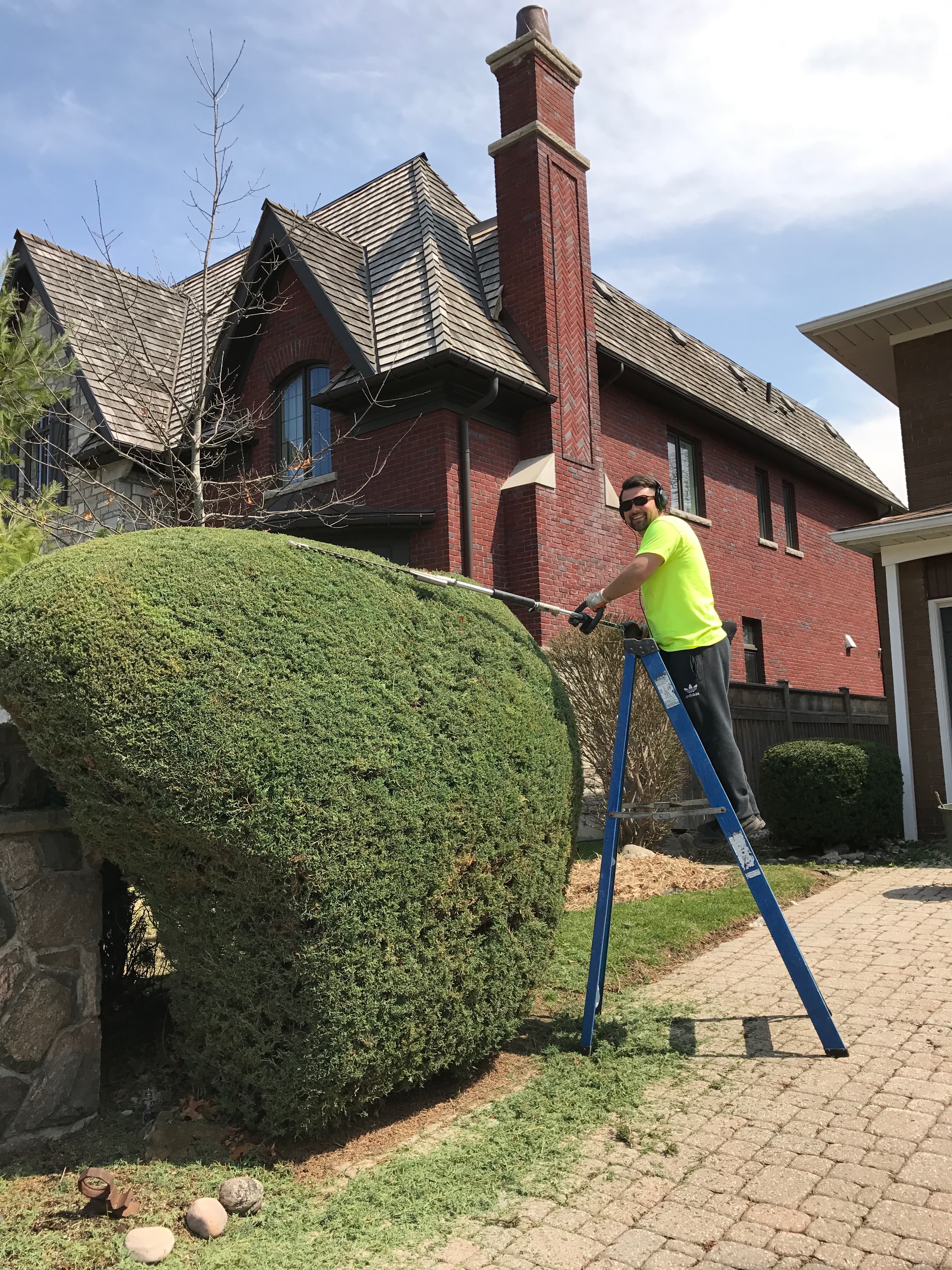
Spring Lawn Care Checklist for Scarborough Homeowners (2026)
Complete spring lawn care checklist for Scarborough homeowners. From raking to first mow to fertilizing — everything your lawn needs in April and May to look its best all season.
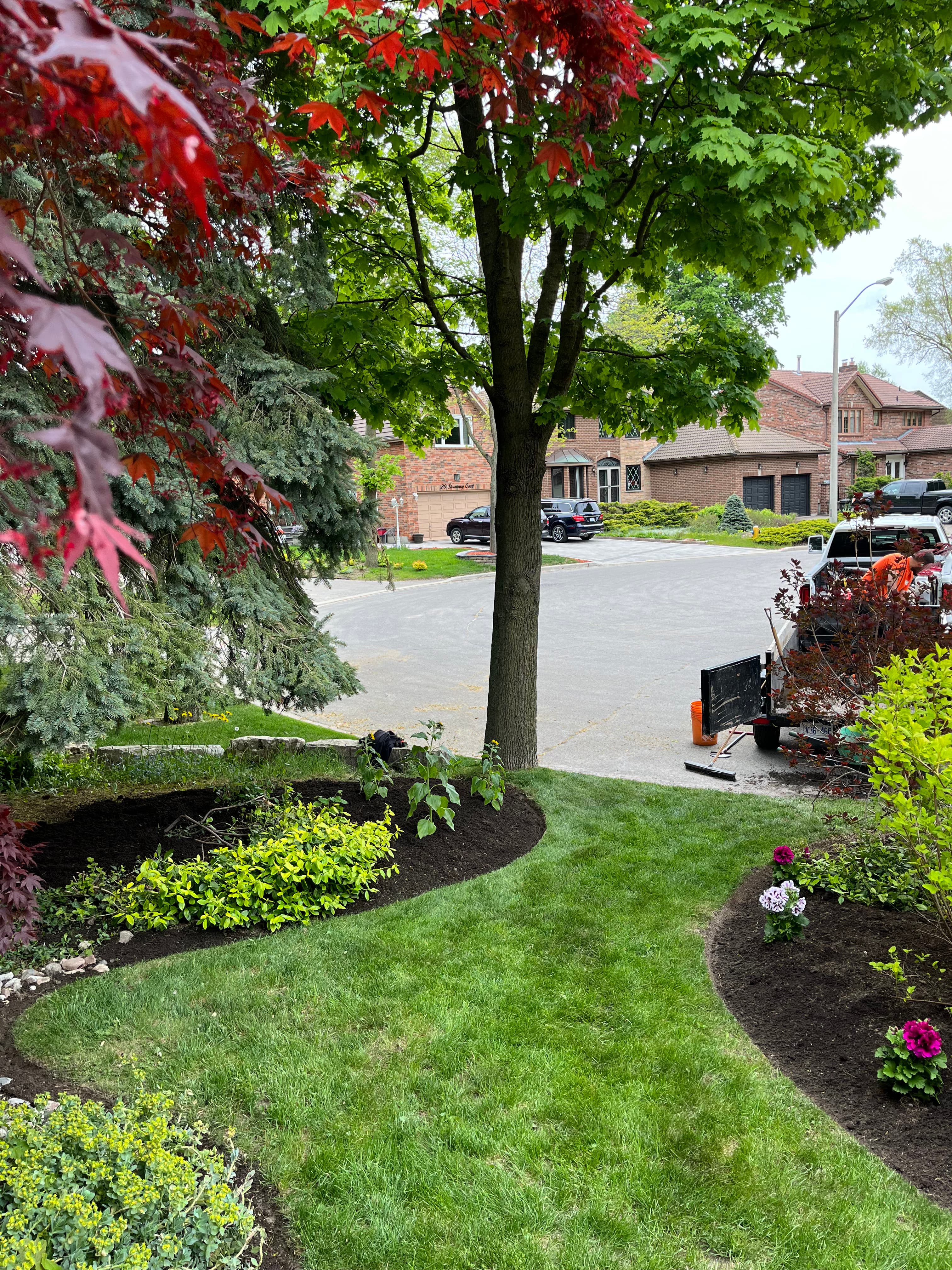
How Much Does Grass Cutting Cost in Scarborough? (2026 Pricing Guide)
Grass cutting in Scarborough costs $45–$85/visit depending on lot size. See the full 2026 pricing breakdown, what affects cost, and how to get the best value for weekly lawn mowing service.
Free Quote
Get a Free Quote
Free quote, no obligation.