Spring Lawn Care Checklist for Scarborough Homeowners (2026)
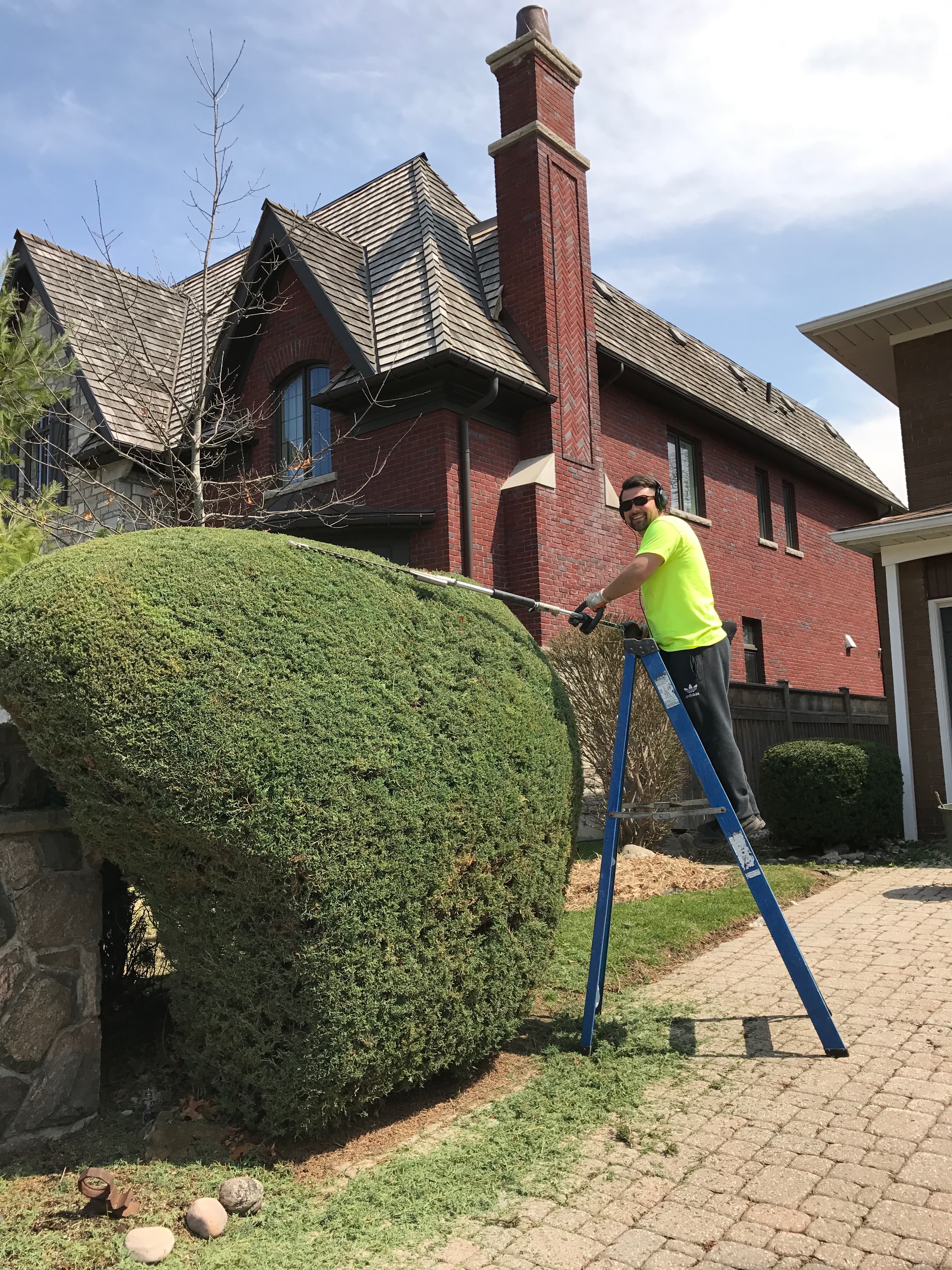
Spring Lawn Care Checklist for Scarborough Homeowners
After a long Scarborough winter, your lawn has been through a lot. Snow, salt, ice, and frost take their toll on even the toughest grass. But the good news? Spring is the perfect time to bring your lawn back to life. This step-by-step checklist covers everything from March through May to set your lawn up for a healthy, beautiful season. Whether you're in Wexford, Dorset Park, or Scarborough's eastside, these proven tactics will get your grass green and growing strong.
---
Step 1: Clean Up Winter Debris
The first thing your lawn needs is a thorough cleaning.
After months under snow, your grass is buried under leaves, twigs, branches, and dead plant matter. This debris blocks sunlight and air from reaching the soil, which slows growth and invites moss and fungal issues.
What to do:
Rake thoroughly in all directions to lift dead grass and debris
Remove leaves from garden beds and around trees
Clear sticks, branches, and any winter litter
Pay special attention to corners and fence lines where debris collects
Check for salt damage along driveways and sidewalks (very common in Scarborough neighborhoods)
Why this matters in Scarborough: Our winters are wet and heavy. By March, lawns are often matted down and crusted with salt residue from road treatment and driveway salt. A good rake clears this away and lets the soil breathe.
---
Step 2: Dethatch if Needed
Thatch is the buildup of dead grass and organic matter just above the soil line. A little thatch is normal, but too much blocks water and nutrients from reaching the roots.
How to tell if you need dethatching:
Spongy, bouncy feel when you walk on the lawn
Water pools instead of soaking in
More than 0.5 inches of dead grass layer visible when you cut into the turf
How to dethatch:
Use a dethatcher (also called a vertical mower or power rake) to aggressively comb out the dead material
Rent one from a local equipment rental company or hire a professional
Best done in early spring when soil is moist but not waterlogged
Why this matters in Scarborough: Older properties in Wexford, Dorset Park, and similar neighborhoods often have compacted, clay-heavy soil. Light dethatching in spring helps these lawns recover faster and improves drainage heading into the wet season.
---
Step 3: Aerate Compacted Soil
Core aeration is one of the most important steps you can take for lawn health.
Scarborough's clay-heavy soil gets compacted from foot traffic, equipment, and winter freeze-thaw cycles. This reduces oxygen availability and prevents water and nutrients from penetrating deep into the root zone.
How aeration works:
A core aerator removes small plugs of soil (about pencil-sized) and leaves them on the surface
These holes create space for air, water, and nutrients to reach the roots
The soil plugs break down naturally and improve the soil structure
Best practice:
Aerate in spring (March-April) when soil is moist but not soggy
Focus on high-traffic areas first: around play structures, walkways, dog runs, and anywhere the ground gets a lot of use
If you have a large lawn, consider doing it in two passes for better coverage
Pro tip: Water your lawn the day before aeration to soften the soil. This makes the job easier and more effective.
---
Step 4: Overseed Bare Patches
After winter, you'll likely find bare patches where snow mold killed grass, salt damaged the turf, or heavy foot traffic wore it away.
Overseeding fills these gaps quickly and prevents weeds from taking over.
How to overseed:
1. Loosen the soil in bare patches with a rake
2. Apply a grass seed blend suited for Scarborough (see below)
3. Keep the seed moist until it germinates (7-14 days depending on temperature)
4. Don't mow over newly seeded areas until the grass is at least 3 inches tall
Best grass seed for Scarborough:
Kentucky Bluegrass (drought-tolerant, recovers from damage, self-repairs)
Perennial Ryegrass (quick germination, fine texture)
A blend of both is ideal for our climate
Timing: Early April is perfect for seeding in Scarborough when soil temperatures are rising but the season is still cool enough for good germination.
---
Step 5: Apply Spring Fertilizer
Your lawn has been sleeping all winter and needs food to wake up.
Spring fertilizer jumpstarts growth and strengthens the plant before the heat of summer.
When to fertilize:
First application: late April, when grass is actively growing
Second application (optional): late May or early June
Apply when soil temperature is around 45-50°F
What to use:
Slow-release nitrogen fertilizer (look for labels like 20-5-10 or 25-5-10)
Slow-release formulas feed gradually, reducing burn risk and supporting steady growth
Granular fertilizer is easiest to apply with a spreader
Important - Ontario's Cosmetic Pesticide Ban:
Ontario's Pesticides Act and Ontario Regulation 63/09 ban the cosmetic use of most pesticides on lawns. You can only use weed-control products whose active ingredients are all on the province's Allowable List, such as corn gluten meal. If you're using any fertilizer product with herbicides, check the active ingredients on the label against that list. Many retailers now sell pesticide-free fertilizers that work well in Ontario.
---
Step 6: Address Weed Control Early
Stop weeds before they start.
The best time to fight weeds is in spring, before they germinate and spread.
Pre-emergent timing:
Apply pre-emergent crabgrass control when soil temperature hits 15°C (usually mid-April in Scarborough)
This prevents crabgrass seeds from germinating
Once crabgrass appears, it's much harder to kill
Common Scarborough weeds:
Dandelions
Clover
Crabgrass
Creeping Charlie (ground ivy)
Plantain
Organic option:
Corn gluten meal is a natural pre-emergent that works on many weeds
It also feeds your lawn as it breaks down
Apply in early spring before soil temperature rises too much
---
Step 7: First Mow of the Season
Your first mow is important. Get it right.
When to start:
Wait until soil is firm (not soggy from spring melt)
Grass should be actively growing (usually late April in Scarborough)
Don't rush it — mowing too early can damage weak spring growth
How to mow:
Set your mower blade to 3 inches (not shorter)
Mow slightly higher in spring to shade soil and prevent weeds
Make sure your blade is sharp (dull blades tear grass and invite disease)
Only remove the top third of the blade in any single mow
Pro tip: Mulch your clippings (leave them on the lawn) rather than bagging them. This returns nutrients to the soil and reduces your mowing time.
---
Step 8: Set Up Your Weekly Mowing Schedule
Once you start mowing, consistency is key.
Weekly mowing: From May through October, mow every 7 days or when grass grows about 1 inch above your target height (usually 3-3.5 inches).
Why weekly mowing matters:
Keeps the lawn looking neat and professional
Prevents stress from removing too much leaf at once
Reduces weeds by keeping seed heads from forming
Encourages denser, healthier growth
Can't mow weekly yourself? That's exactly what Dawn Till Dusk Landscaping is here for. Our grass cutting service starts at just $49.99 per week, and we handle everything so you don't have to think about it.
---
Spring Lawn Care Timeline for Scarborough
Here's a quick reference for what to do and when:
| Timing | Task |
|---|---|
| **Late March** | Rake winter debris, inspect for salt damage and bare patches |
| **Early April** | Dethatch (if needed), core aerate, water soil to prepare |
| **Mid-April** | Overseed bare patches, apply spring fertilizer |
| **Late April** | Apply pre-emergent crabgrass control, first mow of season |
| **May** | Begin weekly mowing schedule, monitor weeds, apply second fertilizer if needed |
| **June-October** | Continue weekly mowing, spot-treat weeds, apply summer fertilizer (June-July) |
---
Let Dawn Till Dusk Handle Your Spring Lawn Care
This checklist gives you everything you need to do spring lawn care right. But we know life gets busy, and lawn care takes time and equipment.
That's why many Scarborough homeowners trust us to handle it.
We offer:
Spring cleanup packages including raking, dethatching, aeration, and overseeding
Weekly grass cutting starting at $49.99/week (May through October)
Fertilizer applications and weed control
Complete lawn care plans tailored to your property and budget
[Get a free quote today.](/contact) We serve Scarborough, Pickering, and North York.
---
Related Resources
More From the Blog
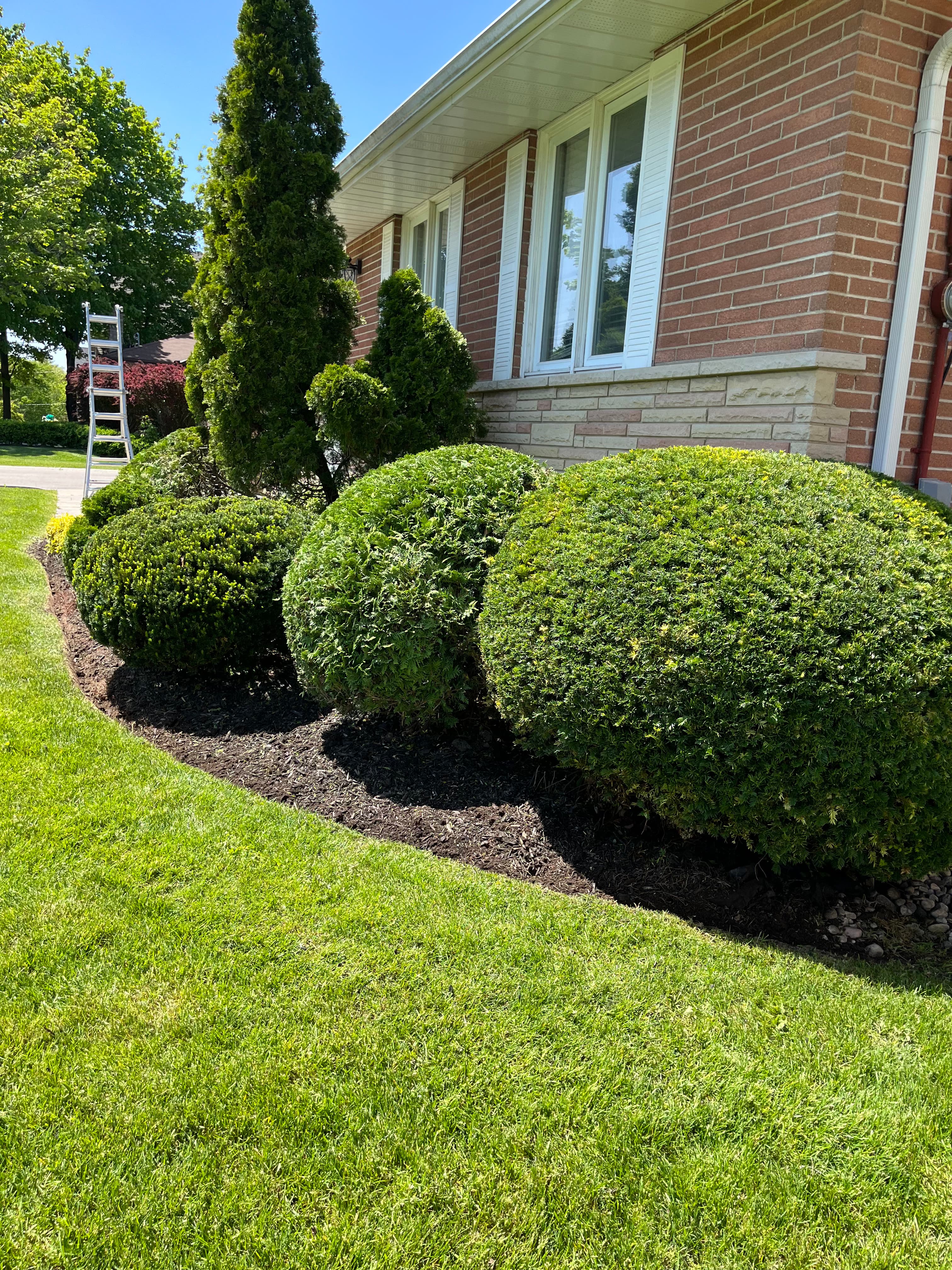
Spring Lawn Care in Scarborough: What to Do in April & May
A practical month-by-month guide to spring lawn care in Scarborough. Covers first mowing, aeration, overseeding, weed prevention, and fertilizer timing for April and May.
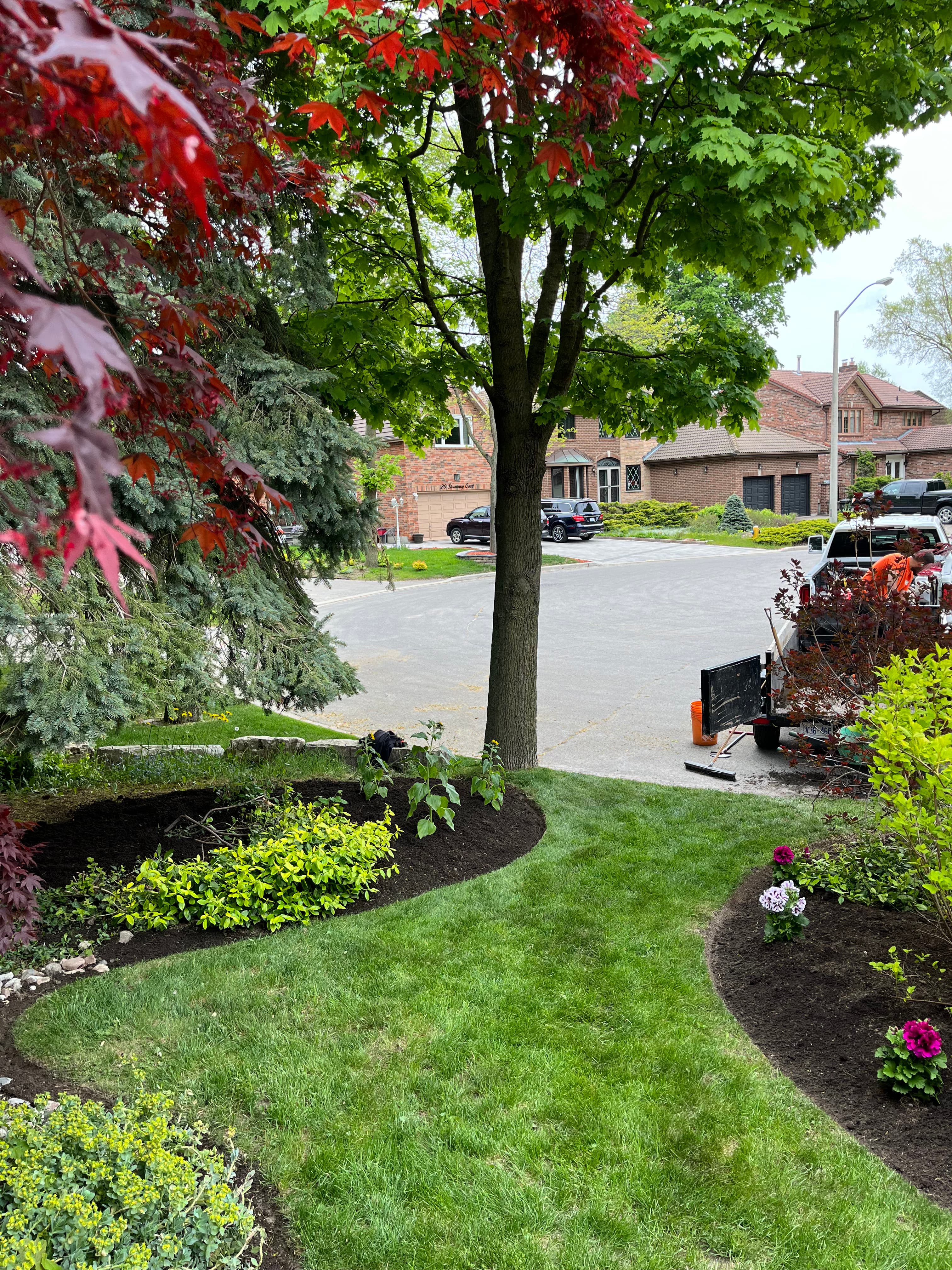
Best Time to Start Weekly Lawn Mowing in Scarborough (2026 Guide)
Wondering when to start mowing in Scarborough? Typically mid-April when soil temp hits 10°C. Learn the signs your lawn is ready, ideal mowing heights, and spring lawn care tips.

When to Start Spring Lawn Care in Scarborough
Timing is everything for spring lawn care in Scarborough. Learn when to start mowing, fertilizing, and treating your lawn based on local conditions.
Scarborough Lawn Fertilizer Schedule 2026: When to Apply, What to Use
Scarborough lawn fertilizer schedule for 2026: exact timing, NPK ratios, and what works for GTA clay soil. Written for homeowners, not marketers.
Free Quote
Get a Free Quote
Free quote, no obligation.