Interlocking Driveway Cost in Scarborough (2026 Guide)
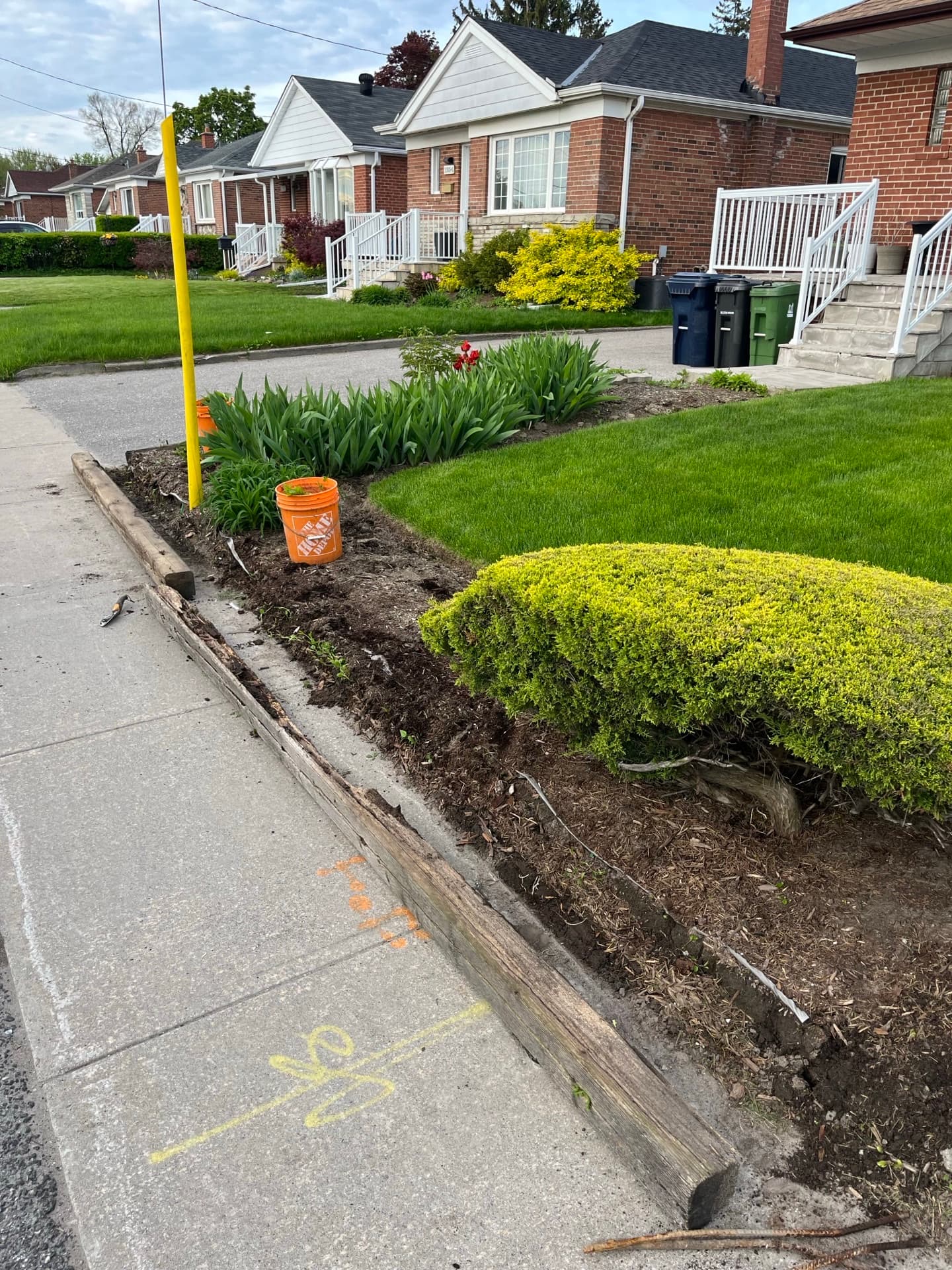
Driveway Interlocking Cost in the GTA: What to Expect in 2026
An interlocking stone driveway is one of the biggest curb appeal upgrades you can make to a home. It's also a significant investment, and knowing what to expect before you start getting quotes will help you make smarter decisions.
After installing interlocking driveways across Scarborough, Pickering, and North York for over 15 years, I've seen every combination of materials, challenges, and budgets. This guide covers what driveway interlocking costs in the real world — not just material prices from a manufacturer's website, but the full installed cost including all the prep work that makes or breaks the finished product.
How Much Does Driveway Interlocking Cost?
The short answer: $18–$40 per square foot installed, depending on the paver you choose and the condition of your existing driveway.
Here's how that breaks down for common driveway sizes in Scarborough:
| Driveway Size | Area (approx.) | Cost Range (installed) |
|---|---|---|
| Single car | 200–300 sq ft | $4,500–$10,000 |
| Double car | 400–600 sq ft | $8,000–$20,000 |
| Large / extended | 600–900 sq ft | $12,000–$30,000+ |
| Driveway + walkway combo | 500–800 sq ft | $10,000–$28,000 |
These ranges include excavation, base material, pavers, edge restraints, polymeric sand, and labour. They don't include permit fees or major grading work, which are quoted separately if needed.
What's Included in the Cost
A proper interlocking driveway installation isn't just pavers on top of dirt. Here's what goes into a quality job:
Excavation and Removal ($3–$6/sq ft)
The existing surface — whether it's asphalt, concrete, old pavers, or just soil — needs to come out. Excavation depth depends on the base specification, but for a driveway that handles vehicle weight, we typically excavate 10–12 inches below the finished grade.
If you have an existing asphalt or concrete driveway, removal and disposal adds to the cost. Asphalt is lighter and faster to remove. Concrete (especially reinforced) takes more labour and heavier equipment.
Base Preparation ($4–$7/sq ft)
This is the most important part of any interlocking project, and it's where cheap contractors cut corners. A proper driveway base in our climate includes:
8–10 inches of Granular A (crushed limestone), compacted in lifts
1 inch of screenings or bedding sand, levelled and screeded
Proper slope for drainage (minimum 2% away from the house)
Compaction at every stage using a plate compactor
The GTA's freeze-thaw cycles are brutal on interlocking. Without adequate base depth and proper compaction, pavers will shift, sink, and heave within a few winters. This is the number one reason some driveways look terrible after 5 years while others hold up for 25+.
Paver Material ($4–$15/sq ft for materials alone)
This is where you have the most choice and the biggest price range:
Standard Pavers ($4–$7/sq ft material)
Holland pavers, Roman pavers, standard rectangles
Limited colour options (grey, charcoal, red, tan)
Functional and durable, just less visual variety
Brands: Permacon, Shaw Brick, generic options
Mid-Range Pavers ($7–$10/sq ft material)
Textured surfaces, more colour blends
Popular styles: Barkman Dynasty, Techo-Bloc Blu 60
Better aesthetics without premium pricing
Premium Pavers ($10–$15+/sq ft material)
Unilock EnduraColour, Techo-Bloc Para HD, Barkman Verano
Colour-through technology (colour won't fade)
Textured or tumbled finishes for a natural stone look
Widest range of shapes and patterns
Edge Restraints, Polymeric Sand, and Finishing ($1–$3/sq ft)
Snap-edge or concrete edging locks the perimeter pavers in place
Polymeric sand fills the joints and hardens to prevent weed growth and ant hills
Final compaction sets the pavers into the bedding layer
Cleanup and sealing (optional — sealer adds $2–$4/sq ft)
Material Comparison: Interlocking vs. Asphalt vs. Concrete
If you're weighing your options, here's how the three main driveway surfaces compare for a standard double-car driveway (about 500 sq ft) in the GTA:
| Factor | Interlocking | Asphalt | Poured Concrete |
|---|---|---|---|
| **Installed cost** | $10,000–$18,000 | $3,000–$6,000 | $5,000–$10,000 |
| **Lifespan** | 25–30+ years | 15–20 years | 20–30 years |
| **Maintenance** | Low — resand joints every few years | Seal every 2–3 years | Minimal, but cracks are permanent |
| **Repair** | Individual pavers replaceable | Patch or resurface | Patch, but visible |
| **Freeze-thaw resilience** | Excellent — flexes with ground movement | Fair — cracks and potholes | Poor to fair — cracks from heaving |
| **Curb appeal** | High | Low | Moderate |
| **Property value impact** | Significant | Minimal | Moderate |
Interlocking costs more upfront, but for most Scarborough homeowners, the longevity and curb appeal make it the best long-term value. The individual pavers flex with ground movement rather than cracking, and if a section ever does settle, it can be lifted and relaid without replacing the whole surface.
Factors That Affect Your Driveway Interlocking Cost
1. Size and Shape
Square and rectangular driveways are the most efficient to install. Curved driveways, flared entries, and irregular shapes require more cutting, which means more labour and material waste.
2. Pattern Complexity
Running bond (stretcher): Simplest, fastest, least waste — lowest cost
Herringbone (45° or 90°): More cuts at edges, moderate cost increase
Circular or fan patterns: Highest labour, most material waste — premium pricing
Random patterns (multi-size): Time-intensive layout, premium pricing
For driveways, herringbone at 45 degrees is the most popular pattern because it provides the best structural interlock under vehicle weight.
3. Existing Surface Condition
A gravel or soil surface is cheapest to work with — just excavate and build the base. Existing asphalt adds removal cost. Existing concrete (especially 6"+ or reinforced) is the most expensive to remove.
4. Drainage and Slope
Proper drainage is critical. If your current driveway directs water toward the house or pools in low spots, correcting this during the interlocking installation adds to the project cost but prevents much bigger problems.
Properties in certain parts of Scarborough — particularly near the Bluffs, along Highland Creek, or in newer subdivisions with poor lot grading — sometimes need French drains or channel drains integrated into the driveway design.
5. Driveway Heating (Optional)
Some homeowners opt for in-ground heating cables or hydronic heating under the interlocking to melt snow and ice. This is a premium add-on ($15–$25/sq ft additional) but eliminates shovelling and salt damage. It's more common in custom homes and high-end renovations.
6. Access and Site Conditions
If a skid steer or excavator can't access your driveway area directly, materials need to be moved by wheelbarrow, which increases labour time. Tight lots with limited staging area for materials also add complexity.
Interlocking Driveway Maintenance Tips
Once installed, interlocking requires minimal maintenance to keep it looking good:
Annually:
Inspect for any shifted or sunken pavers and relevel as needed
Check polymeric sand levels in joints — top up if sand has washed out or settled
Remove weeds that appear in joints (they'll be minimal with good polymeric sand)
Every 2–3 years:
Power wash the surface to remove staining, moss, or buildup
Reapply polymeric sand after power washing
Consider sealer application to enhance colour and protect against stains (optional)
Avoid:
Metal shovels on the surface — use plastic-edged shovels for snow removal
Rock salt directly on pavers — it can discolour some paver types. Use calcium chloride or sand instead.
Sharp turning of vehicle wheels while stationary — this can displace pavers over time
With proper maintenance, an interlocking driveway installed on a good base will last 25–30 years or more. Many of the earliest driveways we installed at Dawn Till Dusk Landscaping are still in excellent condition.
How to Choose the Right Contractor
The difference between a driveway that lasts 5 years and one that lasts 25 is almost entirely about installation quality — specifically, the base. Here's what to look for:
Ask about base depth and compaction method. If someone quotes 4–6 inches of base for a driveway, walk away. You need 8–10 inches minimum in the GTA's climate.
Get a detailed written quote. Materials, base spec, excavation depth, drainage plan, edge treatment, and warranty should all be spelled out.
Check for WSIB and liability insurance. This protects you if something goes wrong.
Look at completed projects. Ask for addresses of driveways they installed 3–5 years ago, not just fresh photos. Anyone's work looks good on day one.
Avoid the lowest quote. In interlocking, the lowest bid almost always means thinner base, less compaction, or cheaper materials. You'll pay for it in repairs within a few years.
Get a Quote for Your Driveway
Every driveway is different, and the only way to get an accurate number is an on-site assessment. At Dawn Till Dusk Landscaping, we provide detailed quotes with material specs, base design, and a clear timeline. We've been building interlocking driveways across Scarborough, Pickering, and North York for over 15 years.
Call us at (647) 893-3876 or request a free estimate online.
---
Frequently Asked Questions
How long does it take to install an interlocking driveway?
A typical double-car driveway takes 3–5 days from excavation to completion, weather permitting. Larger or more complex projects may take a week. If existing concrete or asphalt needs to be removed first, add 1–2 days.
Is interlocking worth it over asphalt?
For most homeowners, yes. Interlocking costs 2–3 times more than asphalt upfront, but lasts significantly longer, requires less ongoing maintenance (no seal-coating), and adds considerably more curb appeal and property value. It also handles the GTA's freeze-thaw cycles better than any other driveway surface.
Do I need a permit for a driveway interlocking project in Scarborough?
In the City of Toronto (which includes Scarborough), you may need a permit if you're changing the driveway's footprint, altering drainage patterns, or widening the curb cut. Replacing an existing driveway surface with interlocking of the same size generally doesn't require a permit, but check with your contractor to be sure.
What's the best paver pattern for a driveway?
Herringbone at 45 degrees is the strongest pattern for driveways. The interlocking angle distributes vehicle weight across multiple pavers, preventing individual pavers from shifting under tire loads. It's the industry standard for any surface that carries vehicles.
How do I prevent weeds from growing between interlocking pavers?
Quality polymeric sand is the primary defence. When properly installed and maintained, it hardens in the joints and prevents weed seeds from germinating. Keeping the sand topped up and reapplying after power washing is the key to long-term weed prevention.
Can interlocking be installed over existing concrete?
In some cases, yes — but it's generally not recommended for driveways. An overlay on concrete doesn't allow for proper base preparation and can lead to drainage issues. For the best long-term results, the old surface should be removed and a proper granular base installed.
More From the Blog
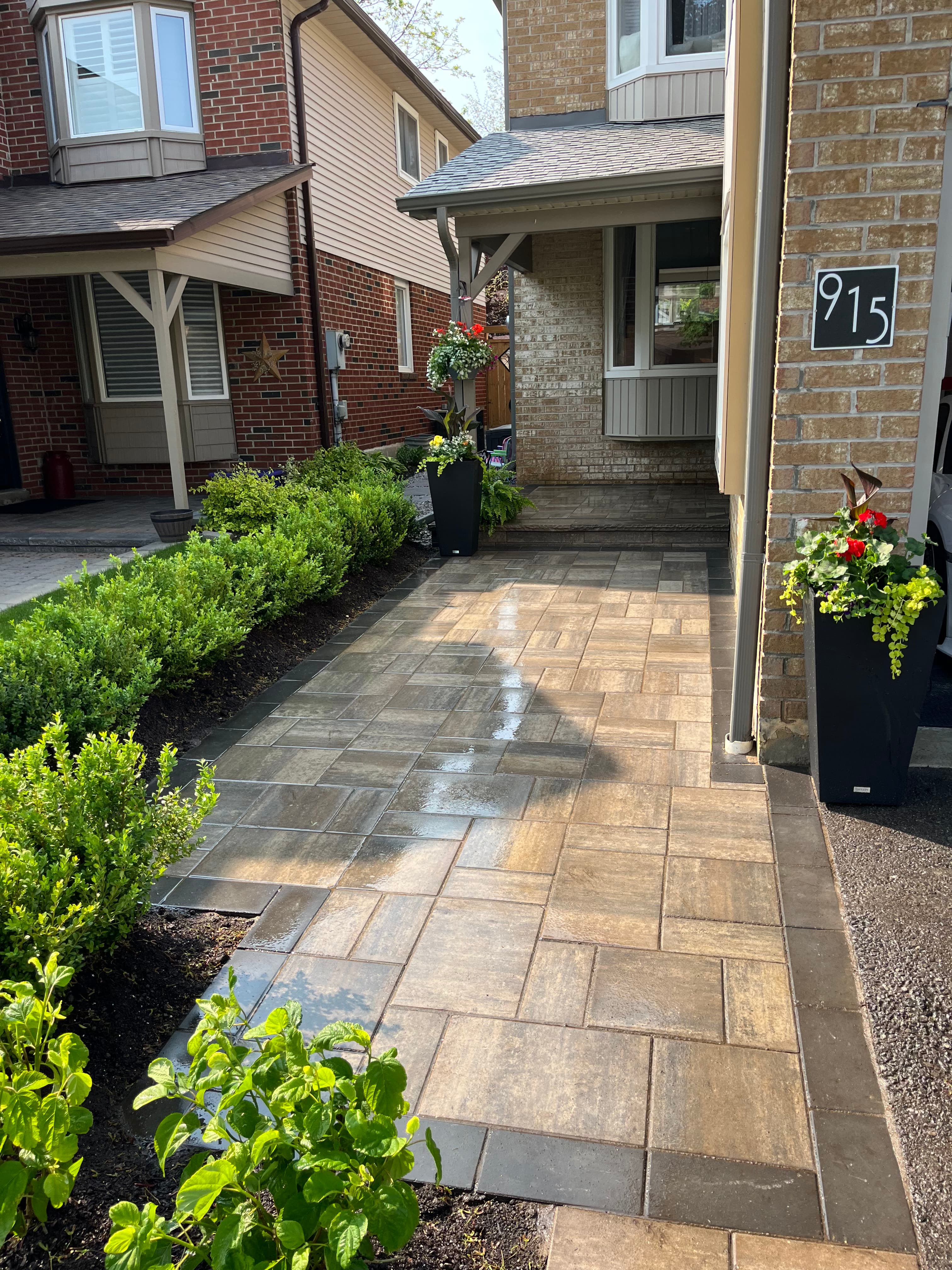
Interlocking Patio Cost in Agincourt, Scarborough (2026)
We install interlocking patios across Agincourt & Scarborough — 2026 cost ranges by size and paver type, plus a free on-site quote for your own patio.
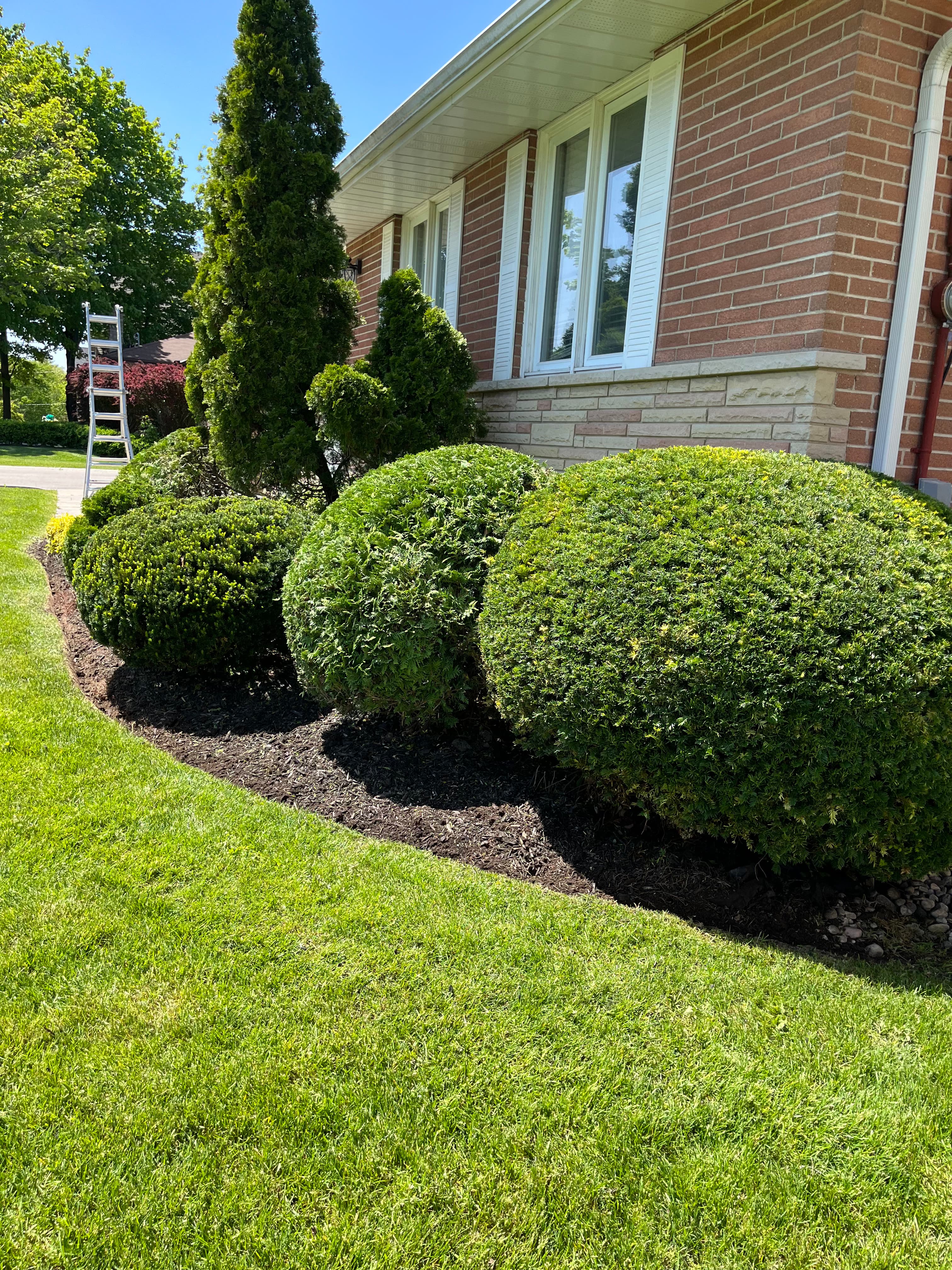
Scarborough Lawn Fertilizer Schedule 2026: When to Apply, What to Use
Scarborough lawn fertilizer schedule for 2026: exact timing, NPK ratios, and what works for GTA clay soil. Written for homeowners, not marketers.
Free Quote
Get a Free Quote
Response within 24 hours.