Best Plants for Scarborough Gardens: A Local Landscaper's Guide

Best Plants for Scarborough Gardens: A Local Landscaper's Guide
Choosing the right plants for a Scarborough garden means working with our climate, not against it. Under Natural Resources Canada's Plant Hardiness Zone Map, Scarborough falls around Canadian Zone 6b to 7a on NRCan's 2025 update (the GTA moved up roughly half to a full zone from about 6a on the previous map; look up your own address on the map for the exact zone) — a system that's calculated differently from the USDA zones printed on U.S. plant tags, so the two numbers aren't directly interchangeable. In practice that still means cold winters, humid summers that push 30°C+, and everything in between. Add in the clay-heavy soil common across much of Scarborough and the varying light conditions from mature tree canopies, and plant selection becomes more important than most people realize.
Over 15 years of designing and planting gardens across Scarborough, Pickering, and North York, I've learned what thrives here and what struggles. This guide covers the best plants for Scarborough gardens — the ones that establish well, come back strong year after year, and look great without demanding constant attention.
What to Consider Before Choosing Plants
Before picking anything, assess your specific conditions:
Sun exposure: How many hours of direct sun does the planting area get? Full sun (6+ hours), part sun (3–6 hours), or shade (under 3 hours)? Many Scarborough lots in older neighbourhoods like Birch Cliff, Guildwood, and Agincourt have mature trees that create significant shade.
Soil type: Most of Scarborough has heavy clay soil. Clay retains moisture well (sometimes too well), is nutrient-rich, but drains slowly and compacts easily. Some areas near the Bluffs have sandier soil. Knowing your soil tells you which plants will be happy and which will rot.
Moisture levels: Does the area stay wet after rain, or does it dry out quickly? Low spots and clay-heavy areas tend to stay moist. Raised beds and south-facing slopes dry out faster.
Maintenance level you're comfortable with: Be honest about how much time you want to spend. A garden that looks incredible but needs weekly attention is a problem if you'd rather spend weekends doing something else.
Best Perennials for Scarborough Gardens
Perennials come back year after year, forming the backbone of any garden. These are proven performers in our Zone 6b–7a climate:
Full Sun Perennials
Black-Eyed Susan (Rudbeckia fulgida 'Goldsturm')
One of the most reliable perennials you can plant in Scarborough. Blooms from July through September with bright yellow flowers. Tolerates clay soil, drought-resistant once established, and spreads gradually to fill space. Virtually maintenance-free.
Coneflower (Echinacea purpurea)
Native to Ontario and excellent for pollinators. Pink-purple blooms from midsummer into fall. Handles clay soil well and thrives in full sun. Leave the seed heads standing through winter for visual interest and to feed birds.
Daylilies (Hemerocallis)
Nearly indestructible in our climate. Available in hundreds of colours. 'Stella de Oro' is the classic reblooming variety, but there are many improved cultivars. Tolerates poor soil, varying moisture levels, and partial shade. Divides easily every 3–4 years.
Karl Foerster Feather Reed Grass (Calamagrostis x acutiflora)
An ornamental grass that adds vertical structure and movement. Grows 4–5 feet tall with wheat-coloured plumes. Excellent along driveways, fence lines, or as a screening plant. Tolerates clay, stays upright through winter, and looks good even under snow.
Catmint (Nepeta 'Walker's Low')
Lavender-blue flowers from June through September. Deer-resistant, drought-tolerant, and great along walkways or at the front of beds. Cut it back by half after the first flush of bloom for a strong second showing.
Shade and Part-Shade Perennials
Hostas
The go-to plant for shaded Scarborough gardens, and for good reason. Hundreds of varieties from miniature to massive. They thrive in the moist, rich soil common in shaded areas. 'Sum and Substance' handles more sun than most. 'Patriot' and 'Francee' are classic variegated options. Slugs can be an issue — planting in well-drained spots or using slug bait helps.
Astilbe
Feathery plumes in white, pink, red, and purple from June through August. Perfect for those moist, shady spots where other plants struggle. Pairs beautifully with hostas and ferns. Thrives in Scarborough's clay soil as long as it doesn't dry out completely.
Coral Bells (Heuchera)
Grown primarily for their foliage, which comes in an extraordinary range of colours — from lime green to deep purple to coppery orange. Delicate flower spikes in spring are a bonus. Excellent along pathways, in containers, or at the front of shade beds. Well-drained soil is important; crown rot can occur in heavy, waterlogged clay.
Brunnera (Siberian Bugloss)
Heart-shaped leaves and tiny blue flowers that look like forget-me-nots. 'Jack Frost' is the standout variety — silvery patterned leaves that light up shade gardens. Once established, it's extremely low maintenance and slowly naturalizes.
Best Shrubs for Scarborough Landscapes
Shrubs provide year-round structure, screening, and seasonal interest.
Deciduous Shrubs
Hydrangea (Multiple species)
Scarborough gardens love hydrangeas. Key varieties:
Annabelle (H. arborescens): White, basketball-sized blooms, handles shade, rated hardy to USDA zones 3–9 (Missouri Botanical Garden) — one of the toughest hydrangeas available
Limelight (H. paniculata): Lime-green to white blooms, full sun, grows 6–8 feet
Little Lime / Bobo: Compact versions of Limelight for smaller spaces
Avoid bigleaf hydrangeas (H. macrophylla) unless you're willing to protect the buds through winter — they're borderline hardy here
Dwarf Burning Bush (Euonymus alatus 'Compactus')
Brilliant red fall colour. Grows 6–8 feet if left unpruned, but takes shaping well. Extremely cold-hardy and tolerant of most soil conditions. Note: this species is considered invasive in some regions — check current Ontario guidelines and consider alternatives like Virginia sweetspire.
Ninebark (Physocarpus opulifolius)
A tough native shrub with ornamental appeal. 'Diabolo' has dark purple foliage; 'Amber Jubilee' has orange, yellow, and green leaves. White flower clusters in spring. Grows 5–8 feet. Handles clay, drought, and cold without issue.
Serviceberry (Amelanchier)
A multi-season performer: white spring flowers, edible berries in June, brilliant fall colour. Native to Ontario and extremely hardy. Available as a shrub or small tree form. Excellent for naturalistic garden designs.
Evergreen Shrubs
Boxwood (Buxus)
Classic for formal hedging and structure. 'Green Velvet' and 'Green Mountain' — both bred for cold hardiness at Sheridan Nurseries in Canada — are the most reliable cultivars here, rated hardy through USDA zone 5a (NC State Extension). Needs wind protection in exposed locations — plant on the south or east side of the house if possible. Avoid planting where snow slides off the roof, as it damages branches.
Dwarf Mugo Pine (Pinus mugo var. pumila)
Compact evergreen that handles salt, wind, and poor soil. Perfect for foundation plantings or rock gardens. Grows slowly to 3–5 feet. Virtually maintenance-free.
Yew (Taxus)
One of the few evergreens that thrives in shade. Dense, dark green foliage. Takes pruning beautifully for formal shapes or hedging. 'Hicksii' (upright) and 'Densiformis' (spreading) are the standard choices for Scarborough landscapes. Toxic to pets if ingested — keep this in mind for homes with dogs.
Native Plants Worth Considering
Native plants are adapted to our local conditions and support local ecosystems. They typically need less water, fewer amendments, and no pesticides once established.
Wild Columbine (Aquilegia canadensis) — Red and yellow flowers, spring bloom, attracts hummingbirds. Part shade.
Joe Pye Weed (Eutrochium purpureum) — Tall (4–6 feet), mauve flower clusters in late summer, butterfly magnet. Full sun, moist soil.
New England Aster (Symphyotrichum novae-angliae) — Purple fall flowers when almost everything else is done blooming. Full sun. Pinch back in June to prevent flopping.
Switchgrass (Panicum virgatum) — Native ornamental grass, upright form, beautiful fall colour. 'Shenandoah' turns red in late summer. Full sun, tolerates clay and drought.
Winterberry Holly (Ilex verticillata) — Deciduous holly native to Ontario. Brilliant red berries on bare branches through winter. Needs a male pollinator nearby. Loves moist to wet soil — ideal for those low spots in the yard.
Planning for Four-Season Interest
The best Scarborough gardens look good year-round, not just in July. Here's a framework:
| Season | Interest Source | Examples |
|---|---|---|
| **Spring** | Bulbs, flowering trees, early perennials | Daffodils, Serviceberry, Brunnera |
| **Summer** | Perennial blooms, lush foliage | Daylilies, Hydrangeas, Hostas |
| **Fall** | Foliage colour, late bloomers, grasses | Burning Bush, Asters, Karl Foerster |
| **Winter** | Evergreen structure, berries, bark | Boxwood, Winterberry, Ornamental grasses |
Layer these together so there's always something happening. The structural plants — evergreens, ornamental grasses, trees — are the constants that hold the garden together when the perennials go dormant.
Low Maintenance Landscaping Tips
For homeowners who want a beautiful garden with minimal upkeep:
1. Mulch generously. 2–3 inches of shredded bark or cedar mulch suppresses weeds, retains moisture, and insulates roots. Refresh annually.
2. Plant in masses, not singles. Three to five of the same plant grouped together looks intentional, fills in faster, and is easier to maintain than a scattered mix.
3. Right plant, right place. A shade plant in full sun will struggle and demand constant attention. Match the plant to the conditions and it practically takes care of itself.
4. Choose slow-spreading perennials. Plants like daylilies, hostas, and catmint fill space without becoming aggressive. Avoid plants labelled "vigorous spreader" unless you want a ground cover.
5. Skip the annual beds. Annuals look great but need replanting every year. A well-designed perennial garden with a few strategic containers of annuals gives you colour with far less work.
6. Automate watering. A simple drip irrigation system on a timer costs a few hundred dollars and eliminates the biggest maintenance task during summer dry spells.
Need Help Choosing the Right Plants?
Selecting the best plants for Scarborough gardens is about matching the right species to your specific property conditions. Ted, our owner, designs planting plans tailored to each property's sun, soil, and style — with 15+ years of hands-on experience across Scarborough yards. We handle everything from plant selection to installation and mulching; our garden and plant services page lays out what's included.
Call us at (647) 893-3876 or book a consultation online.
---
Frequently Asked Questions
What planting zone is Scarborough, Ontario?
Scarborough falls around Canadian Plant Hardiness Zone 6b to 7a on Natural Resources Canada's updated Plant Hardiness Zone Map (released 2025, based on 1991–2020 climate data), up from about Zone 6a on the previous map. Zones vary street to street near the lake and the Rouge valley, so check your own address on the map. The Canadian system isn't calculated the same way as the USDA zones printed on U.S.-grown plant tags, so treat a USDA number as a rough guide rather than a direct match. When buying plants, choosing something rated hardy to Zone 6 or colder builds in a safety margin for a harder-than-average winter.
When is the best time to plant in Scarborough?
Spring (late April through June) and fall (September through mid-October) are the best planting windows. Fall is actually ideal for many perennials and shrubs because the roots establish through the cool, moist autumn before winter dormancy. Avoid planting in the heat of July and August unless you can water daily.
What plants grow well in clay soil in Scarborough?
Many plants actually thrive in clay: daylilies, black-eyed susans, hostas, astilbe, hydrangeas (especially Annabelle), ninebark, and dogwood. The key is to amend the planting hole with compost to improve drainage in the immediate root zone. Avoid plants that require sharp drainage, like lavender or most Mediterranean herbs.
How do I start a low maintenance garden?
Start with good bones: a few well-placed shrubs for structure (boxwood, hydrangea, ninebark), then fill in with reliable perennials (daylilies, hostas, catmint). Mulch all beds heavily, and install drip irrigation if your budget allows. A professional planting plan ensures everything is placed correctly from the start, which is the single biggest factor in low maintenance landscaping.
What plants attract pollinators in Ontario?
Coneflower (Echinacea), wild columbine, Joe Pye weed, New England aster, catmint, and native milkweed are all excellent pollinator plants that grow well in Scarborough. Plant a mix that provides blooms from spring through fall for the widest range of pollinator support.
Are deer a problem in Scarborough gardens?
In most urban areas of Scarborough, deer pressure is low. However, properties backing onto ravines — particularly along Highland Creek, the Rouge Valley, or the Bluffs — may see occasional deer damage. Deer-resistant plants include catmint, boxwood, daffodils, ornamental grasses, and most herbs. Hostas and daylilies are deer favourites, so protect them if you're in a deer-prone area.
More From the Blog
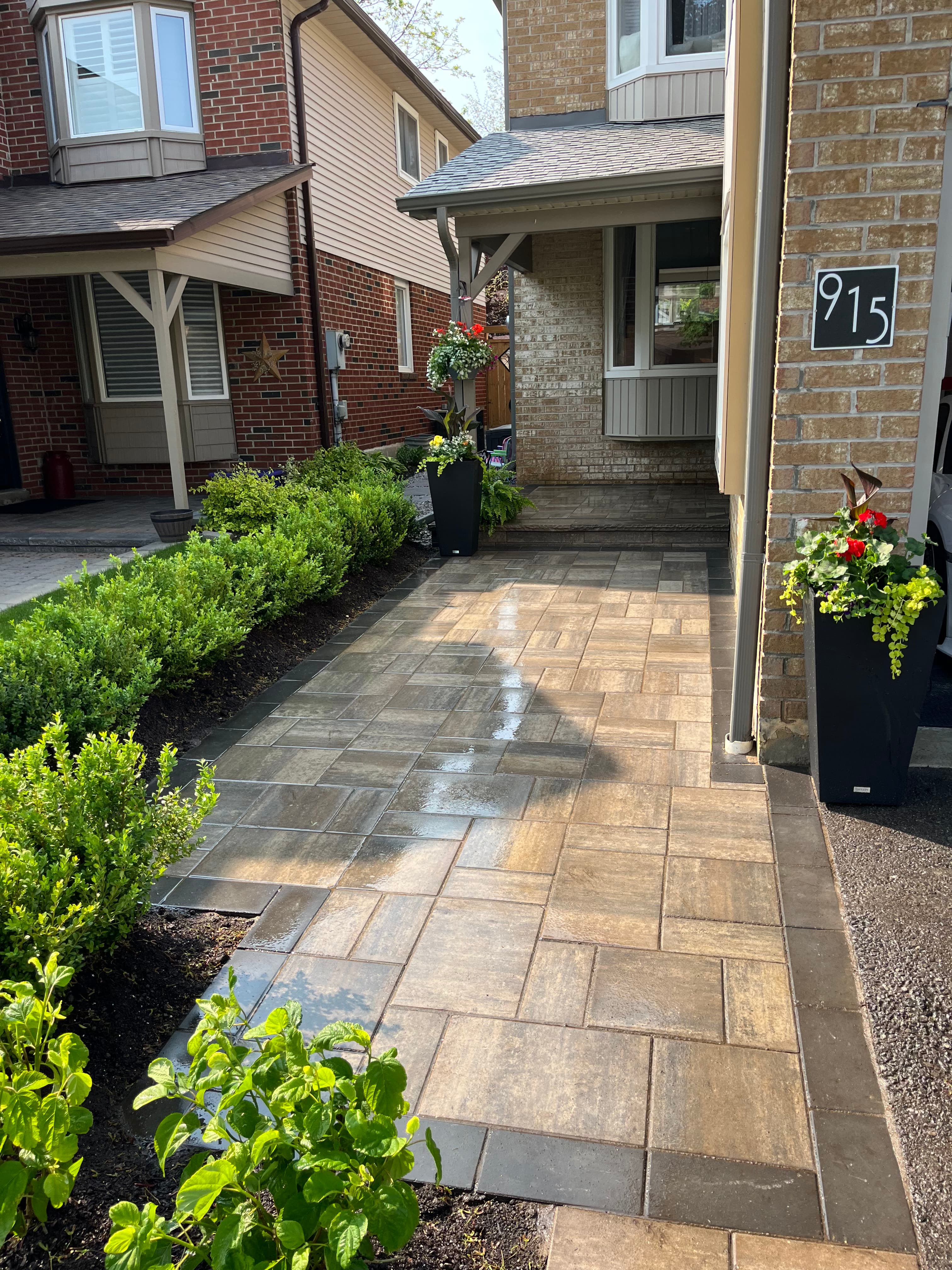
Interlocking Patio Cost in Agincourt, Scarborough (2026)
We install interlocking patios across Agincourt & Scarborough — 2026 cost ranges by size and paver type, plus a free on-site quote for your own patio.
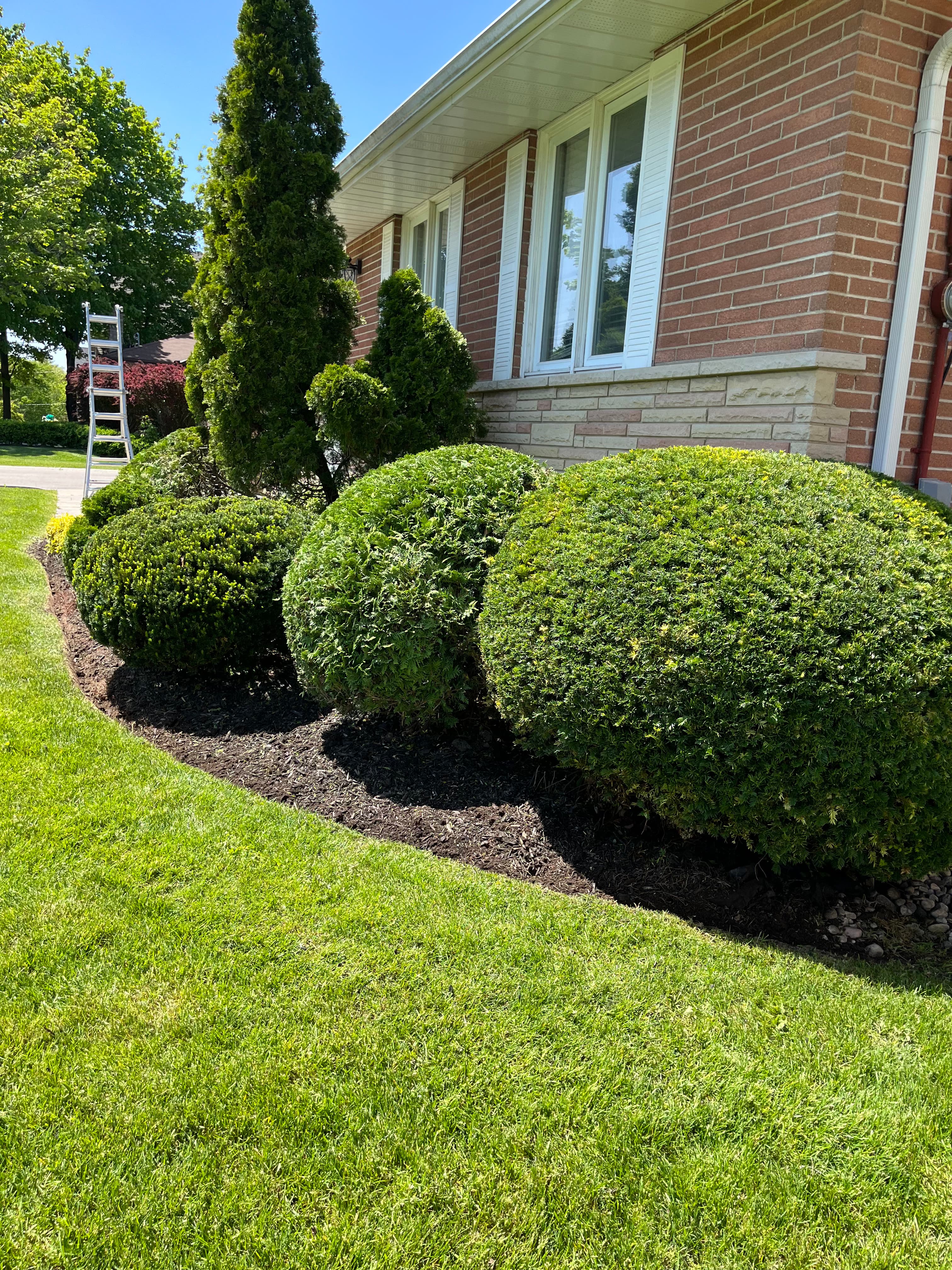
Scarborough Lawn Fertilizer Schedule 2026: When to Apply, What to Use
Scarborough lawn fertilizer schedule for 2026: exact timing, NPK ratios, and what works for GTA clay soil. Written for homeowners, not marketers.
Free Quote
Get a Free Quote
Response within 24 hours.